Why Your Accident Triggered SR-22 in Nevada
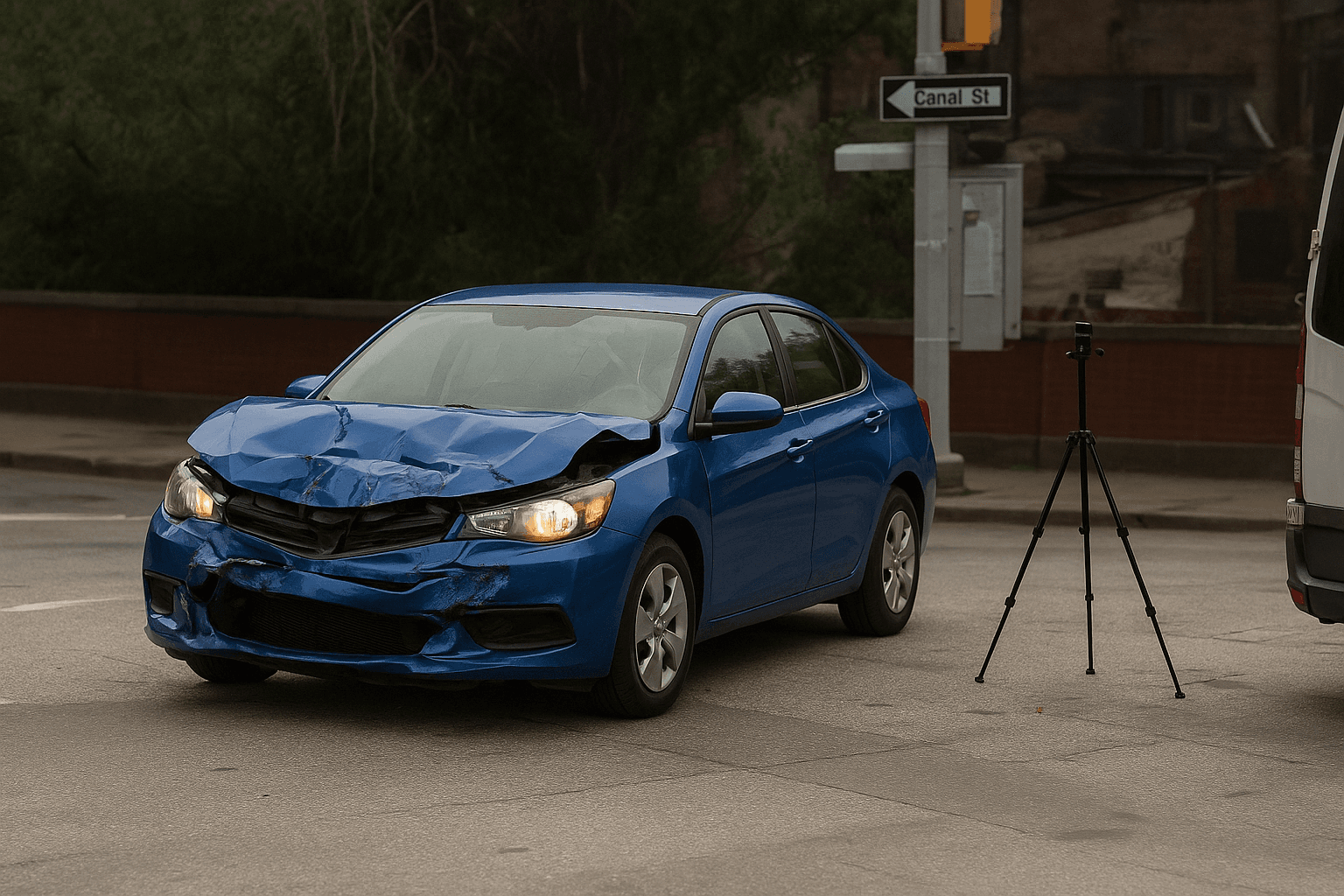
You were in an at-fault accident in Nevada, and now the DMV sent you notice that you must file SR-22 insurance. This happens in two specific scenarios: you were uninsured at the time of the crash, or you let your coverage lapse after the accident before the DMV closed its investigation. Both situations flag you as a financial responsibility risk under NRS 485, which governs Nevada's mandatory insurance enforcement.
The SR-22 requirement is a Nevada DMV administrative action, separate from any traffic citation or criminal charge you may also be facing. Even if the accident produced no ticket, the DMV's insurance verification system flagged the incident, and SR-22 filing is now the condition for keeping your license valid. The filing obligation lasts three years from the date the DMV mailed you the notice, not from the date of the accident itself.
Compare car insurance rates in your state
Get quotes from licensed carriers — no obligation, no spam, results in minutes.
Get Your Free QuoteNevada SR-22 Filing Period
3 years
Nevada requires continuous SR-22 insurance for three years following the DMV notice. Any lapse in coverage restarts the three-year clock. The filing period is measured from the DMV's notice date, not the accident date, which can add weeks or months to the actual obligation window.
NRS 485.187
What SR-22 Filing Actually Does
SR-22 is not a type of insurance. It is a form your insurance carrier files electronically with the Nevada DMV certifying that you carry at least the state minimum liability coverage: $25,000 per person for bodily injury, $50,000 per accident for bodily injury, and $20,000 for property damage. The carrier transmits this certification to the DMV on your behalf the day your policy becomes active.
The DMV monitors your SR-22 status continuously through its electronic insurance verification system. If your carrier cancels your policy for any reason—nonpayment, fraud, vehicle sale without replacement coverage—the carrier notifies the DMV immediately, and your license is suspended within days. You receive no grace period. Continuous coverage for the full three years is the only way to satisfy the SR-22 obligation and avoid automatic suspension.
Most carriers charge a one-time filing fee to submit the SR-22 form. This fee is set by the carrier and varies, but it typically ranges from $15 to $50. The fee is separate from your premium, which reflects the higher risk the carrier assumes when writing post-accident drivers.
If your SR-22 lapses for even one day, Nevada DMV suspends your license automatically. The three-year period restarts from the date you refile, adding years to your total obligation.
Which Carriers Write Post-Accident SR-22 in Nevada

Bristol West, Dairyland, The General, Progressive, and National General write SR-22 policies for Nevada drivers with recent at-fault accidents. These carriers operate in the non-standard or standard tier and price coverage based on your accident history, claims record, and the severity of the crash. Bristol West and Dairyland focus exclusively on high-risk drivers and typically offer the most competitive rates for post-accident SR-22 filers. Progressive and National General serve both standard and non-standard markets, which means they can sometimes offer lower premiums if your overall driving record is otherwise clean.
Geico and State Farm also file SR-22 in Nevada, but both carriers frequently decline post-accident applicants or price them out of the market. If you held a policy with either carrier at the time of the accident, you may be able to keep your existing policy and add SR-22 filing, but new applicants with recent accidents should expect limited availability. USAA writes SR-22 for military members and their families but applies strict underwriting rules to accident claims—eligibility depends on fault determination and claims payout.
Related Articles



How the Accident Affects Your Premium
An at-fault accident moves you into a higher risk tier, which drives premium increases independent of the SR-22 filing requirement. The SR-22 itself does not increase your premium—it is the accident and the DMV financial responsibility flag that trigger the underwriting adjustment. Non-standard carriers price post-accident drivers based on fault determination, claims payout, injuries involved, and your prior driving record.
If the accident involved injuries, multiple vehicles, or a claims payout above $5,000, expect steeper premium increases and fewer carrier options. Nevada's electronic insurance verification system shares accident reports with insurers, and underwriters use that data to calculate your risk score. Carriers that specialize in high-risk drivers—Bristol West, Dairyland, The General—price these cases more competitively than standard carriers because their underwriting models are built for post-violation and post-accident drivers.
Premium increases last as long as the accident remains on your driving record. Nevada reports accidents to your motor vehicle record for three years from the date of the crash, which typically overlaps with your SR-22 filing period. After the accident falls off your record, you can shop for lower rates with standard carriers, but you must maintain SR-22 filing for the full three-year DMV obligation even if the accident itself no longer appears on your record.
Nevada License Reinstatement Fee
$75
If your license is suspended for SR-22 lapse, Nevada DMV charges a $75 reinstatement fee to restore driving privileges. This fee is in addition to any late filing penalties and does not include the cost of obtaining new SR-22 coverage. The reinstatement process requires in-person or online payment through the Nevada DMV portal once your carrier has refiled SR-22.
Nevada DMV Fee Schedule
Non-Owner SR-22 If You Don't Own a Vehicle
If you do not own a vehicle but need SR-22 to satisfy the Nevada DMV requirement, a non-owner SR-22 policy covers you. Non-owner policies provide liability coverage when you drive a vehicle you do not own—a borrowed car, a rental, a friend's vehicle. The policy does not cover the vehicle itself; it covers your liability if you cause an accident while driving.
Non-owner SR-22 premiums are lower than standard SR-22 policies because the carrier assumes less risk—you are not insuring a specific vehicle that could be stolen, damaged, or driven daily. Dairyland, The General, Progressive, and Geico all write non-owner SR-22 in Nevada. Non-owner policies are month-to-month in most cases, but you must maintain continuous coverage for the full three-year SR-22 period to avoid license suspension. If you purchase a vehicle during the SR-22 period, you must switch to a standard owner policy immediately and notify your carrier to refile SR-22 under the new policy.
Compare Carriers Now
Start by requesting quotes from Bristol West, Dairyland, The General, Progressive, and National General. These carriers write post-accident SR-22 in Nevada and compete for high-risk drivers. Provide the accident date, fault determination, and any claims payout amount when requesting quotes—underwriters price based on these factors, and withholding information delays approval or triggers policy cancellation later. If you do not own a vehicle, specify that you need non-owner SR-22 coverage when contacting carriers. Compare premiums, filing fees, and payment plan options before selecting a carrier. Once your policy is active, the carrier files SR-22 electronically with the Nevada DMV, and your three-year obligation begins.