Why Your Refusal Suspension Requires SR-22 Coverage
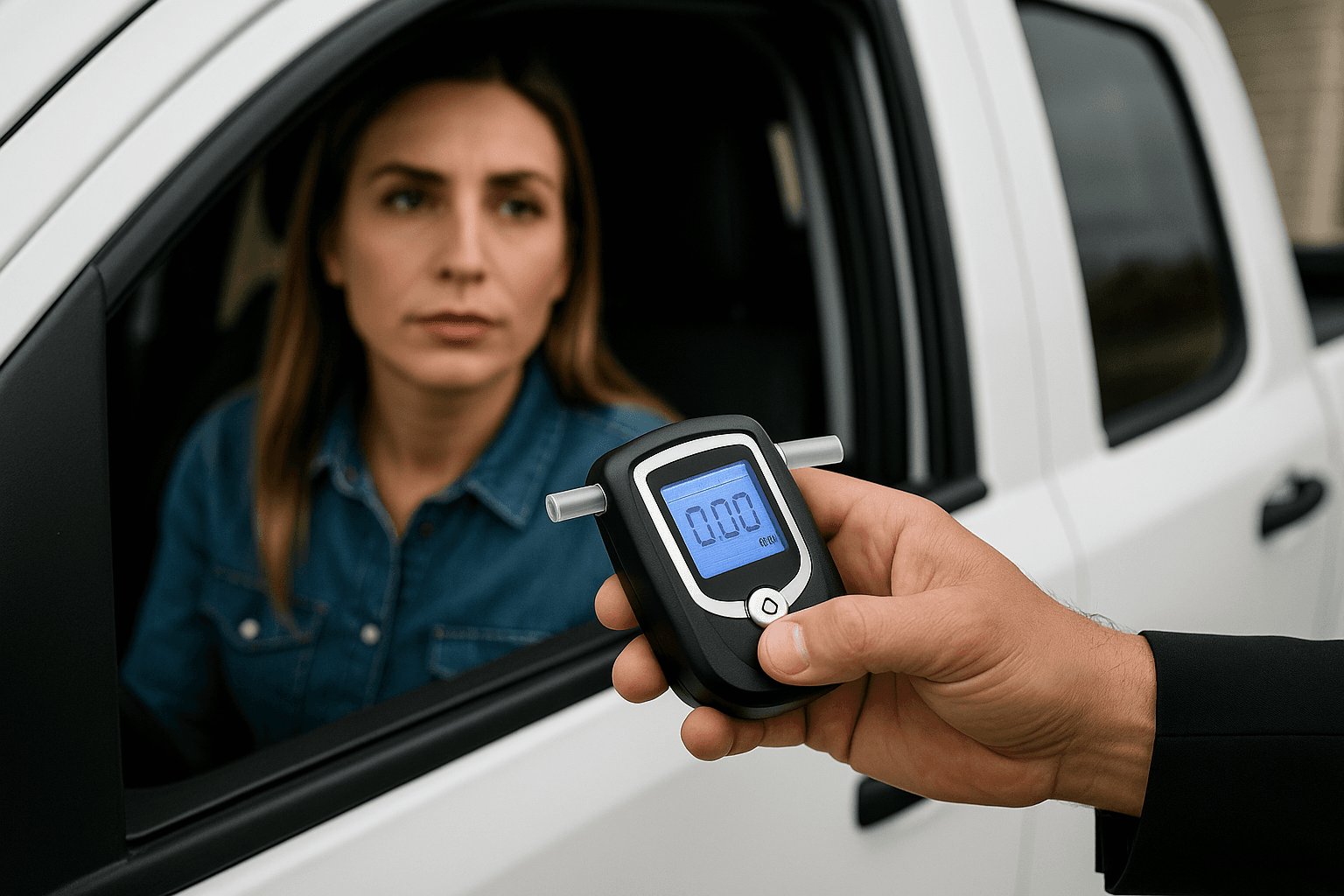
You refused the breathalyzer at the traffic stop. Nevada DMV suspended your license under NRS 484C.220 for implied consent violation — 185 days minimum for a first refusal, longer for subsequent offenses. The suspension letter states you need proof of insurance to reinstate, and you're discovering that means filing an SR-22 certificate with the state for three years after reinstatement.
Refusal suspensions trigger the same SR-22 filing requirement as DUI convictions in Nevada. The administrative license suspension is automatic — Nevada's implied consent law treats refusal as equivalent to failing the test for insurance and reinstatement purposes. The confusion happens because you were not convicted of DUI, yet you face the same insurance mandate. The structural reality: Nevada does not distinguish between refusal and DUI when assigning SR-22 filing periods. Both require continuous filing for three years from reinstatement date, and both push you into the non-standard insurance market for that period.
Compare car insurance rates in your state
Get quotes from licensed carriers — no obligation, no spam, results in minutes.
Get Your Free QuoteNevada SR-22 Filing Period
3 years
Nevada requires SR-22 filing for three years after license reinstatement for both DUI convictions and implied consent refusals. The clock starts on your reinstatement date, not your suspension date — every day your license stays suspended delays the start of your filing period.
Nevada Revised Statutes 483.490
The Rate Gap Between Standard and Non-Standard Carriers
Standard-tier carriers — State Farm, Allstate, Nationwide — will not quote a policy with an active suspension on your record. They exit your file the moment the suspension appears in their underwriting system. You need a carrier that writes suspended-driver and post-suspension policies as core business, not as an exception case.
Non-standard carriers specialize in high-risk policies. Bristol West, Dairyland, Geico's non-standard division, The General, Progressive's non-standard tier, Infinity, and National General all write SR-22 policies for refusal suspensions in Nevada. These carriers price risk differently than standard-tier underwriting. The critical insight: refusal cases without a DUI conviction on the criminal record typically cost less than post-DUI cases because the violation appears on your DMV record but not your criminal history. Carriers layer surcharges based on both records — refusal hits one, DUI hits both.
The rate difference is structural, not marginal. A refusal suspension with no criminal conviction may produce quotes 20–30% lower than a DUI conviction with the same driving history, because the criminal conviction adds points to the underwriting algorithm that administrative suspensions alone do not trigger. Not every carrier prices this distinction the same way — some flatten refusal and DUI into the same tier. Shopping multiple non-standard carriers is not optional; it is the only way to surface the gap.
Refusal shows on your DMV record but not your criminal record — carriers that separate administrative and criminal risk layers will quote you lower than carriers that treat all SR-22 filers identically.
Which Carriers Write Nevada Refusal Cases
Bristol West writes SR-22 and post-suspension policies as primary business across Nevada. They tier refusal cases separately from DUI convictions when no criminal charge appears. Quote process requires broker contact — Bristol West does not offer direct-to-consumer online quotes, but brokers can bind coverage same-day once documentation is confirmed. Dairyland specializes in SR-22 filings and non-owner policies for suspended drivers. Their underwriting treats administrative suspensions as lower-risk than criminal convictions, which translates to measurably lower premiums for refusal-only cases. Online quote available directly through dairylandinsurance.com.
The General writes high-risk and SR-22 policies in Nevada and quotes refusal suspensions online. Their rate structure does not always separate refusal from DUI as distinctly as Dairyland or Bristol West, but they quote cases other carriers reject outright. Geico's non-standard division writes some refusal cases depending on prior history — their algorithm evaluates the full driving record, and a clean record before the refusal improves eligibility. Progressive's non-standard tier and National General both write refusal SR-22 policies and allow online quotes, though rate competitiveness varies significantly by ZIP code and prior violations.
Related Articles





Documentation You Need Before Requesting Quotes
Carriers require your Nevada DMV suspension letter, which states the suspension period, the reinstatement requirements, and the SR-22 filing mandate. If you do not have the letter, request a copy of your driving record from Nevada DMV — the record will show the suspension trigger and the filing requirement. Carriers also need your license number, current address, and the vehicle you intend to insure (make, model, VIN). If you do not currently own a vehicle, specify that you need a non-owner SR-22 policy — this covers you when driving a borrowed or rental vehicle and satisfies Nevada's filing requirement without requiring vehicle ownership.
Some carriers request proof that your suspension is administrative rather than criminal. If you were not charged with DUI or the charge was dismissed, obtain documentation from the court or your attorney confirming no criminal conviction appears. This distinction directly affects your tier assignment with carriers that separate administrative and criminal risk. If the refusal occurred during a DUI stop but no DUI conviction followed, the absence of the criminal conviction is the lever that produces lower quotes — bring proof.
The SR-22 itself is filed by the carrier after you purchase the policy. You do not file it yourself. The carrier submits the certificate electronically to Nevada DMV, and the DMV processes it within 1–5 business days. The filing fee is set by the carrier, typically $15–$50 as a one-time charge. The SR-22 filing does not increase your premium — the premium reflects your risk profile and the non-standard tier. The filing fee is separate and paid once at policy inception.
Nevada Reinstatement Fee (Refusal)
$75
Nevada charges a $75 reinstatement fee for implied consent refusal suspensions. This is separate from the SR-22 filing fee your carrier charges and the premium itself. Pay the reinstatement fee at Nevada DMV after your suspension period ends and after your SR-22 is on file.
Nevada Department of Motor Vehicles fee schedule
How Long Before You Can Reinstate and Start Filing
Nevada's 185-day minimum suspension for first refusal is a hard suspension — you cannot apply for a restricted license during this period unless you complete the requirements for an ignition interlock device restricted license under NRS 483.490. The IID option allows driving during suspension but requires device installation, proof of enrollment in a drug/alcohol treatment program, and SR-22 filing before the restricted license is issued. If you do not pursue the IID restricted license, you serve the full 185 days without driving privileges, then reinstate with SR-22 filing at the end of the suspension.
The three-year SR-22 filing period starts on your reinstatement date, not your suspension date. If your suspension began January 1 and you reinstate July 5 after serving 185 days, your SR-22 filing runs from July 5 for three years — ending July 5 three years later. Any lapse in coverage during those three years restarts your suspension and extends the filing period. Continuous coverage is not optional.
Get Quotes Now to Lock Rates Before Reinstatement
Carriers allow you to obtain quotes and bind coverage before your reinstatement date. Binding a policy 30–60 days before reinstatement locks your rate and ensures the SR-22 is on file with Nevada DMV the day you are eligible to reinstate. If you wait until the day your suspension lifts, you add processing days to your timeline — the SR-22 filing takes 1–5 business days to process, and you cannot legally drive until DMV confirms the filing is active.
Request quotes from at least three non-standard carriers. Provide your suspension letter, specify whether you need vehicle or non-owner coverage, and confirm the policy includes SR-22 filing as a condition of purchase. Rates vary by $40–$80 per month between carriers for the same coverage and driver profile — the gap widens further if your prior record includes additional violations. Compare the monthly premium, the filing fee, and the policy term. Some carriers require six-month terms; others offer monthly payment plans that avoid large upfront payments. Choose the policy that fits your reinstatement timeline and budget, bind it, and confirm the carrier has submitted your SR-22 to Nevada DMV before your reinstatement appointment.