Why Your Post-Accident SR-22 Quote Jumped
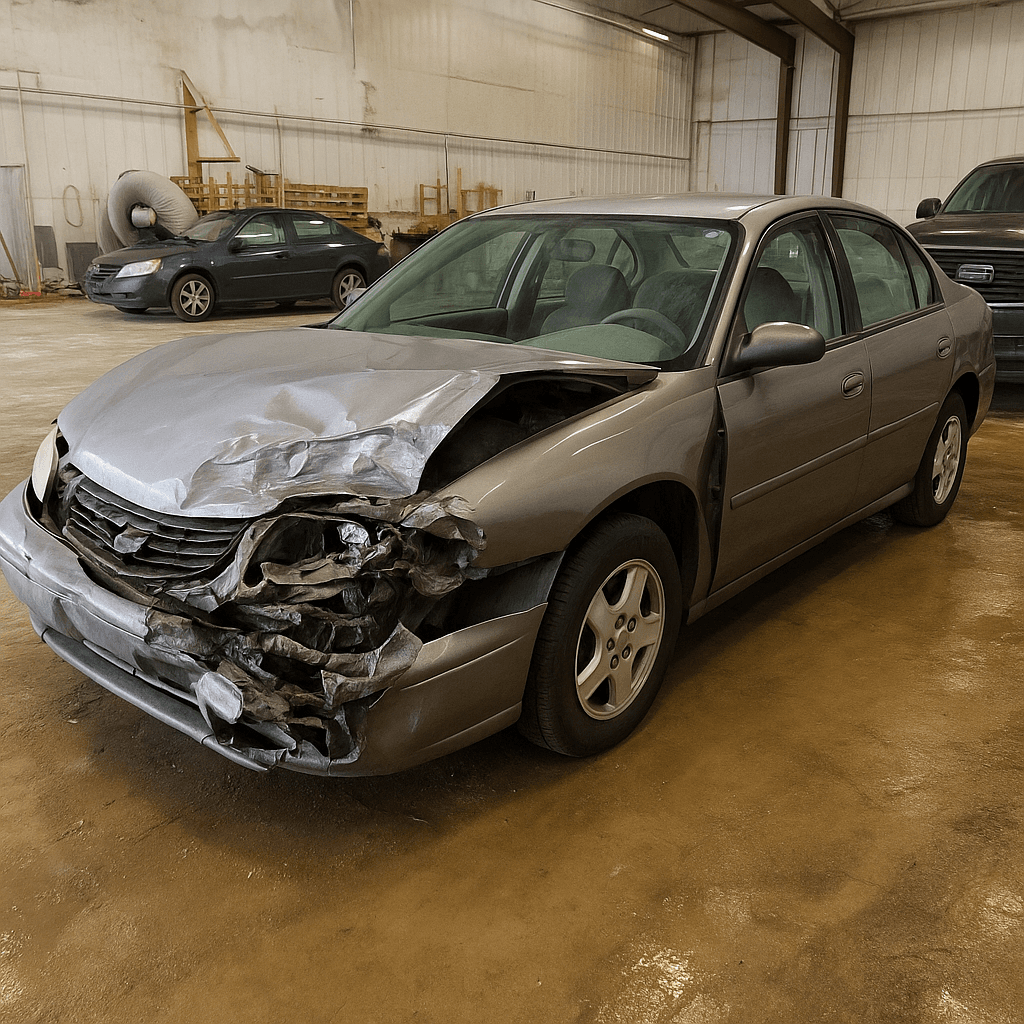
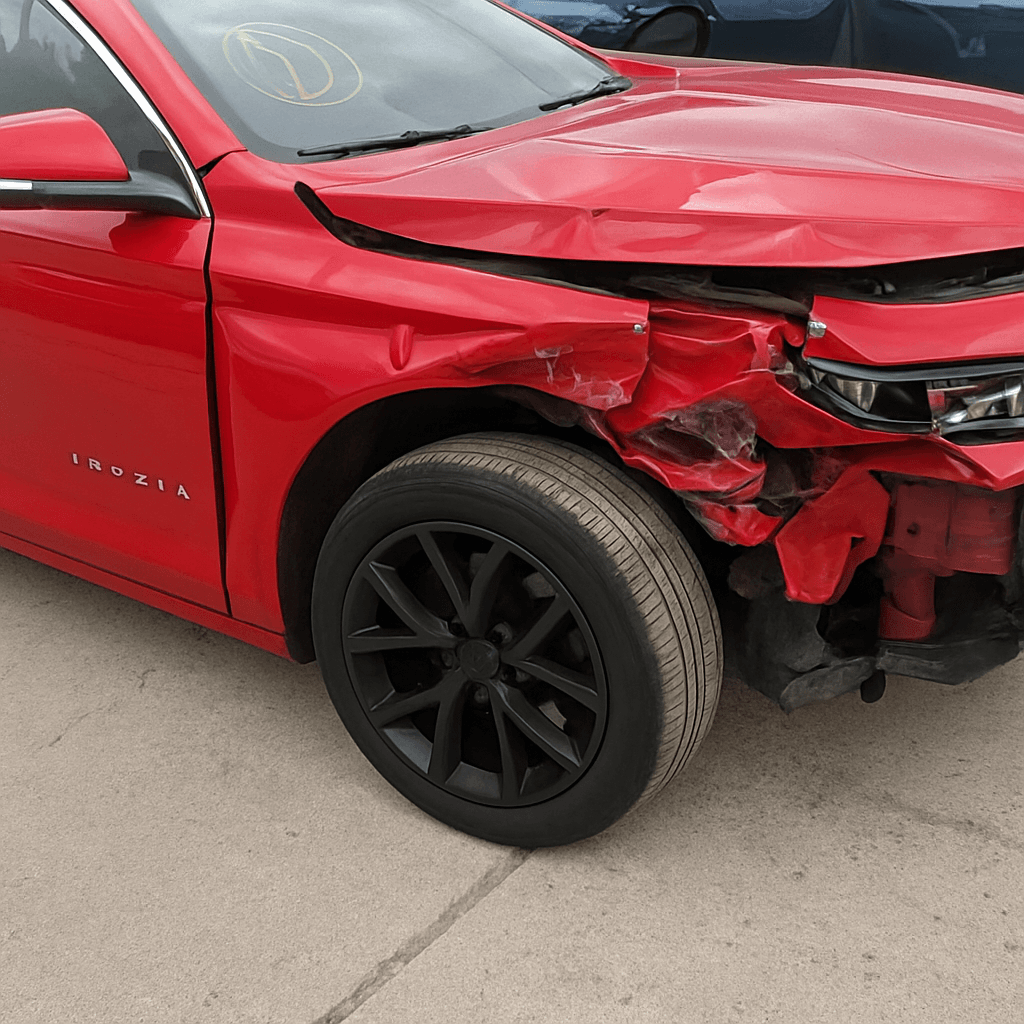
Your carrier sent the accident surcharge letter two weeks after the claim closed. The next renewal notice included an SR-22 filing requirement and a monthly premium 60% higher than what you paid before the accident. The letter didn't clarify which piece drove the increase — the accident itself, the SR-22 filing, or both — so you assumed the SR-22 certificate was the expensive part.
The structural reality: Nevada requires SR-22 filing after certain violations, and accidents that trigger license suspension fall into that category. But the SR-22 form itself is a one-time filing fee of $25 to $50 set by your carrier. The premium increase comes from the accident history moving you into Nevada DMV's high-risk classification, not from the certificate. Most drivers conflate the two costs because they arrive in the same letter. Separating them is the first step toward finding affordable coverage.
Compare car insurance rates in your state
Get quotes from licensed carriers — no obligation, no spam, results in minutes.
Get Your Free QuoteNevada SR-22 Filing Fee
$25–$50
This is a one-time administrative charge paid to the carrier for submitting the SR-22 certificate to Nevada DMV. It is not a monthly premium add-on. The fee appears once at policy inception and again at each renewal if you change carriers during the three-year filing period.
Carrier fee schedules for Nevada-authorized insurers, 2025
What Actually Happened to Your Rate
Nevada DMV suspended your license after the accident because you were at fault and the property damage exceeded $2,000, or because you were uninsured at the time of the accident. The suspension triggered Nevada's SR-22 requirement under NRS 485.187. Your carrier moved you from the standard tier to the non-standard tier — a classification reserved for drivers with recent at-fault accidents, lapses, or violations. Non-standard tier premiums reflect the statistically higher claim frequency of drivers in that pool.
The SR-22 filing is the proof mechanism. Nevada DMV requires continuous certification that you carry at least the state minimum liability limits: $25,000 per person, $50,000 per accident for bodily injury, and $20,000 for property damage. Your carrier submits the SR-22 form electronically to Nevada DMV at policy inception. If your policy lapses or cancels, the carrier notifies DMV within 10 days, and your license suspension resumes immediately. The certificate itself costs $25 to $50. The tier reclassification drives the rest of the increase.
Your original carrier may not write non-standard policies. Many preferred-tier carriers — Amica, USAA for non-military members, Hartford — refer high-risk drivers to subsidiary non-standard brands or decline to renew the policy entirely. That's why your renewal notice may have included a non-renewal letter rather than just a rate increase. You're not being dropped for the filing requirement; you're being moved to a different underwriting pool.
The SR-22 filing costs $25–$50 once. The accident history reclassification costs $40–$90 per month for three years. You're paying for the accident, not the form.
Carriers That Write Post-Accident SR-22 in Nevada
Bristol West, Dairyland, The General: These three carriers specialize in non-standard auto insurance and write SR-22 policies for drivers with recent at-fault accidents. Bristol West requires broker placement in Nevada — you cannot buy directly online — but brokers have access to their full appetite and can bind coverage same-day if you meet underwriting guidelines. Dairyland and The General both offer online quotes through their Nevada portals. All three accept monthly payment plans, though Bristol West's broker network may require a 20–25% down payment at binding.
Geico, Progressive, National General: These carriers write both standard and non-standard tiers in Nevada. If your accident was your first claim in three years and you carried continuous coverage before the suspension, Geico and Progressive may keep you in a mid-tier product rather than pushing you to a pure non-standard carrier. That saves $30–$50 per month compared to Bristol West or Dairyland. National General underwrites through independent agents in Nevada and writes SR-22 filings for drivers with one or two accidents on record. All three offer online quotes and monthly payment options with no broker requirement.
Related Articles




How to Compare Quotes Without Overpaying
Request quotes from at least three carriers in different underwriting tiers. Start with Geico and Progressive because they write both mid-tier and non-standard products — if your accident history doesn't disqualify you from their standard tier, you'll pay $110–$140 per month instead of $160–$180. Then get quotes from Bristol West (through a broker), Dairyland, and The General. These three specialize in high-risk placements and may offer lower rates than Geico's non-standard tier if your accident involved a serious injury claim or property damage above $10,000.
Ask each carrier to itemize the SR-22 filing fee separately from the liability premium. Some carriers bundle the $25–$50 filing fee into the first month's premium; others bill it as a separate line item. Knowing which charges are one-time versus recurring helps you compare total cost accurately. If a carrier quotes $175 per month with no separate filing fee, and another quotes $155 per month plus $50 filing fee, the second carrier is cheaper over six months.
Verify that each quote includes Nevada's minimum liability limits and confirms SR-22 filing. Do not accept a quote that excludes the SR-22 or offers limits below $25,000/$50,000/$20,000. Nevada DMV will reject insufficient coverage, and your suspension will not lift even if you bind the policy. Every quoted policy must state 'SR-22 filing included' explicitly in the coverage summary or declarations page.
Nevada SR-22 Filing Period
3 years
Nevada requires you to maintain continuous SR-22 certification for three years from the date of your license reinstatement, not from the date of the accident or suspension. If your policy lapses at any point during those three years — even one day — Nevada DMV suspends your license again and the three-year clock resets from the new reinstatement date.
NRS 485.187
Monthly Payment Plans and Down Payment Requirements
Non-standard carriers in Nevada typically require a down payment of 15–30% of the six-month premium at policy binding. If your six-month premium is $900, expect to pay $135–$270 upfront, then five monthly installments of the remaining balance. Bristol West and The General both use this structure. Dairyland offers a lower down payment — around 10–15% — but charges a $7–$10 monthly installment fee on top of the premium. That fee adds $42–$60 to your six-month cost, so factor it into your comparison.
Geico and Progressive allow monthly payments with no separate installment fee if you set up automatic bank draft. The down payment is usually one month's premium, not a percentage of the six-month total. This makes them cheaper to start if cash flow is tight. National General's payment structure varies by agent — some agents require 20% down, others allow first-month-only down payment. Ask before binding.
What Happens If You Let the Policy Lapse
Nevada uses an electronic insurance verification system. Your carrier reports all policy activity — binding, cancellation, lapse — to Nevada DMV in near-real-time. If your SR-22 policy lapses for non-payment, the carrier notifies DMV within 10 business days. DMV suspends your license immediately and sends a suspension notice to your last known address. You will not receive a grace period or warning before the suspension takes effect.
Reinstating after an SR-22 lapse requires paying a $75 reinstatement fee to Nevada DMV, purchasing a new SR-22 policy, and having the new carrier file an SR-22 certificate electronically before DMV lifts the suspension. The three-year SR-22 filing period resets from the new reinstatement date, not from the original suspension date. A single lapse can extend your total SR-22 obligation from three years to four or five years depending on how long it takes you to reinstate.
If you cannot afford your current premium, contact your carrier before the lapse date and ask about reducing coverage to state minimums or increasing your deductible. Dropping collision and comprehensive coverage on an older vehicle can reduce your monthly premium by $40–$70 while keeping your liability and SR-22 filing intact. Nevada DMV only monitors your liability coverage, not your collision or comp. Letting the entire policy lapse to save money triggers suspension; reducing optional coverages does not.
Compare Nevada SR-22 Carriers Now
The cheapest SR-22 policy after an accident in Nevada comes from comparing quotes across non-standard carriers and mid-tier underwriters who still write your profile. Start with Nevada SR-22 carriers that accept accident-triggered filings and offer monthly payment plans. Request itemized quotes showing the SR-22 filing fee separately from the liability premium, verify that coverage meets Nevada's $25,000/$50,000/$20,000 minimums, and confirm that the carrier will submit the SR-22 certificate electronically to Nevada DMV at binding. Bind before your current policy cancels to avoid a lapse that resets your three-year filing period.