You Were Convicted of DUI and Now Face SR-22 Filing
You received your DUI conviction in Nevada. The DMV suspended your license for at least 185 days. The court paperwork mentions SR-22 filing, your insurer either dropped you or is about to, and you're trying to figure out what SR-22 actually costs and whether you can drive at all during the suspension. The confusion is structural: SR-22 is not a type of insurance, it's a compliance filing your carrier submits to the Nevada DMV proving you carry continuous liability coverage. The filing requirement runs for three years from the date your carrier files it, not from your conviction date or suspension start.
Most drivers assume SR-22 filing and license suspension are the same timeline. They are not. Your suspension period — 185 days minimum for a first DUI — controls when you can legally drive again. Your SR-22 filing period — three years — controls how long your insurer must report your coverage to the state. The filing period starts when your carrier submits the SR-22 certificate, which can happen before, during, or after your suspension depending on when you secure coverage. This article walks you through the actual cost structure, the restricted license pathway available after 45 days, and how to find a carrier that will write your policy without fabricating the quote.
Compare car insurance rates in your state
Get quotes from licensed carriers — no obligation, no spam, results in minutes.
Get Your Free QuoteNevada DUI Reinstatement Fee
$75
This is the base reinstatement fee you pay to the Nevada DMV after completing your suspension period and meeting all other requirements. The fee is separate from SR-22 filing costs, insurance premiums, ignition interlock device installation, and any DUI education program fees.
Nevada Department of Motor Vehicles
SR-22 Is a Filing, Not a Policy Type
SR-22 is a certificate of financial responsibility your insurance carrier files electronically with the Nevada DMV. The certificate proves you carry at least Nevada's minimum liability limits: $25,000 bodily injury per person, $50,000 bodily injury per accident, and $20,000 property damage. The carrier reports when your policy starts, when it renews, and — critically — when it lapses or cancels. If your coverage lapses for any reason during the three-year filing period, your carrier notifies the DMV immediately and your license is suspended again, restarting the entire process.
You cannot file SR-22 yourself. The carrier files it as an attachment to your auto insurance policy. Your job is to find a carrier willing to write your policy post-DUI, maintain continuous coverage without a single lapse for three years, and pay both the insurance premium and the carrier's one-time SR-22 filing fee. Most carriers charge a small filing fee set by the carrier and state; the amount varies but is typically under $50. The premium itself — the monthly or annual cost of your liability policy — will be substantially higher than what you paid before the DUI because you now fall into the non-standard or high-risk tier.
Carriers that write post-DUI policies in Nevada include Bristol West, Dairyland, Geico, Infinity, Kemper, National General, Progressive, State Farm, and The General. Not every carrier writes SR-22 policies; some drop drivers immediately upon DUI conviction. You will need to compare carriers that specialize in non-standard auto to find coverage. Expect the quoting process to require your conviction details, your SR-22 filing requirement documentation from the DMV or court, and proof you have completed or enrolled in Nevada's DUI education program if your restricted license application depends on it.
Your SR-22 filing period starts the day your carrier files the certificate with the Nevada DMV, not your conviction date. File early to get the three-year clock running while you're still suspended.
Restricted License After 45 Days Requires Ignition Interlock

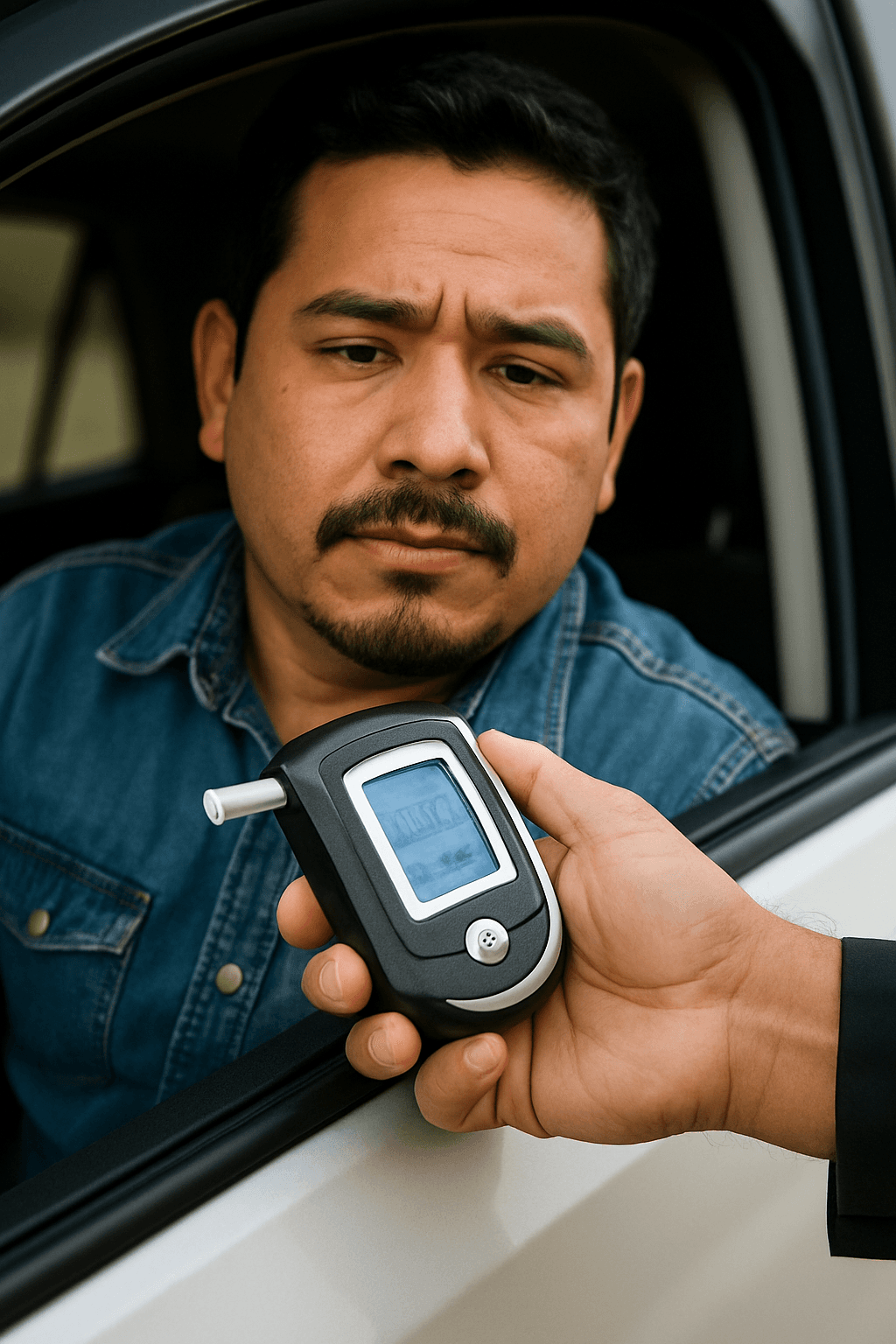
The ignition interlock device requirement is non-negotiable. NRS 484C.460 mandates IID installation for all DUI-related restricted licenses. You pay for installation, monthly monitoring fees, and calibration appointments out of pocket; costs vary by vendor but budget several hundred dollars for installation and $70–$100 monthly for monitoring. The device requires you to provide a breath sample before the engine starts and at random intervals while driving. Failing a test, missing a calibration appointment, or attempting to bypass the device triggers immediate restricted license revocation and you return to full suspension status with no credit for time already served.
Your restricted license application goes through the Nevada DMV, not the court. You will need proof of SR-22 insurance filing, proof of IID installation from an approved vendor, proof of enrollment in Nevada's DUI education program, and a completed restricted license application. The DMV may require a court order depending on your case details. Processing time varies; the data layer does not contain a confirmed processing window for Nevada restricted license applications, so contact your local DMV office early in your 45-day hard suspension to get the paperwork started. Restrictions are defined by the DMV or court order and typically limit you to direct routes during necessary hours only — no personal errands, no detours, no driving outside the approved purposes.
Related Articles




Non-Owner SR-22 When You Sold Your Vehicle
If you no longer own a vehicle — you sold it after the DUI, it was totaled, or you simply cannot afford to maintain it during suspension — you still need SR-22 filing to satisfy Nevada's reinstatement requirements. Non-owner SR-22 policies cover liability when you drive a borrowed or rented vehicle but do not cover a specific car you own. The policy meets the state's proof-of-financial-responsibility mandate without requiring you to insure a vehicle you do not have.
Carriers that write non-owner policies with SR-22 filing in Nevada include Dairyland, Geico, Progressive, State Farm, The General, and USAA. Non-owner policies are typically cheaper than standard policies because they carry no collision or comprehensive coverage and the carrier's risk exposure is lower. You cannot drive a vehicle you own under a non-owner policy; if you later purchase a car, you must convert to a standard policy and notify your carrier immediately to maintain continuous SR-22 filing. A lapse between non-owner and standard coverage restarts your SR-22 filing period from day one.
Even if you do not plan to drive during your suspension, maintaining a non-owner SR-22 policy keeps your three-year filing clock running. Many drivers wait until reinstatement to secure coverage, only to discover they now owe three more years of SR-22 filing starting from the day they finally get a policy. Filing early — even while fully suspended — shortens the total time you carry the requirement after reinstatement.
Nevada SR-22 Filing Period After DUI
3 years
You must maintain continuous SR-22 filing for three years measured from the date your carrier first files the certificate with the Nevada DMV. If your policy lapses or cancels at any point during those three years, the DMV suspends your license immediately and you restart the three-year period from the date you file a new SR-22 certificate. There are no exceptions for financial hardship, carrier non-renewal, or moving out of state.
Nevada Department of Motor Vehicles
What Happens If Your SR-22 Policy Lapses
Nevada uses an electronic insurance verification system that connects carriers directly to the DMV. When your carrier cancels your policy or you let coverage lapse, the carrier files an SR-26 cancellation notice with the DMV within hours. The DMV suspends your license immediately upon receiving the SR-26 — no grace period, no warning letter, no hearing. You are now driving on a suspended license if you continue to operate a vehicle, which is a separate criminal offense and extends your suspension further.
To reinstate after an SR-22 lapse, you must secure a new policy, have the new carrier file a new SR-22 certificate, pay a reinstatement fee (the amount varies by how many lapses you have accumulated), and restart your three-year SR-22 filing period from the date of the new filing. If you lapse twice, some carriers will refuse to write your policy at all, forcing you into the state's assigned risk pool where premiums are significantly higher. The lapse also restarts any restricted license privileges you earned — you return to full suspension and must reapply for the restricted license from scratch, including a new 45-day hard suspension if the DMV or court treats the lapse as a new violation.
Compare Carriers That Write Post-DUI Policies in Nevada
Not every carrier writes policies for drivers with DUI convictions. Preferred-tier carriers like Amica and USAA either decline DUI drivers outright or impose premiums so high they are not competitive. Non-standard carriers — Bristol West, Dairyland, Infinity, Kemper, National General, Progressive, The General — specialize in high-risk drivers and offer quotes that reflect your actual situation without inflating premiums to force you out. Your goal is to compare at least three carriers that explicitly write SR-22 policies in Nevada, submit accurate conviction details so the quote reflects your real rate, and select the policy you can afford to maintain without lapse for three years.
The SR-22 filing fee is a one-time charge separate from your premium. Premiums vary by carrier, your age, your vehicle, your ZIP code, and how long ago your DUI conviction occurred. A driver in Las Vegas will pay differently than a driver in Reno even with identical conviction details because local claim frequency and theft rates differ. Nevada SR-22 insurance requirements govern the minimum liability limits you must carry, but some carriers require higher limits or add uninsured motorist coverage as a condition of writing the policy. Read the quote carefully before you bind coverage — misunderstanding what the policy actually covers or what restrictions apply can leave you uninsured when you think you are compliant, triggering the lapse-and-restart cycle described above.