
The SR-22 Filing Does Not Mandate Full Coverage
You received notice that Nevada DMV requires SR-22 filing to reinstate your license. You asked your carrier for a quote and they pushed comprehensive and collision coverage on top of liability, implying you need both to satisfy the state. That is not true. The SR-22 certificate is proof you carry minimum liability coverage — it says nothing about full coverage.
Nevada statute NRS 485 governs financial responsibility requirements. The SR-22 form certifies to the DMV that you maintain at least $25,000 bodily injury per person, $50,000 bodily injury per accident, and $20,000 property damage liability. Collision and comprehensive are optional coverage types that protect your own vehicle. The state does not require them for reinstatement, and the SR-22 filing does not impose them.
Compare car insurance rates in your state
Get quotes from licensed carriers — no obligation, no spam, results in minutes.
Get Your Free QuoteNevada Minimum Liability
$25k/$50k/$20k
These are the bodily injury and property damage liability limits the SR-22 filing certifies you carry. The filing attaches to a policy that meets or exceeds these minimums. You may buy higher limits, but the state requires only these thresholds for reinstatement.
NRS 485.185
What Full Coverage Actually Covers
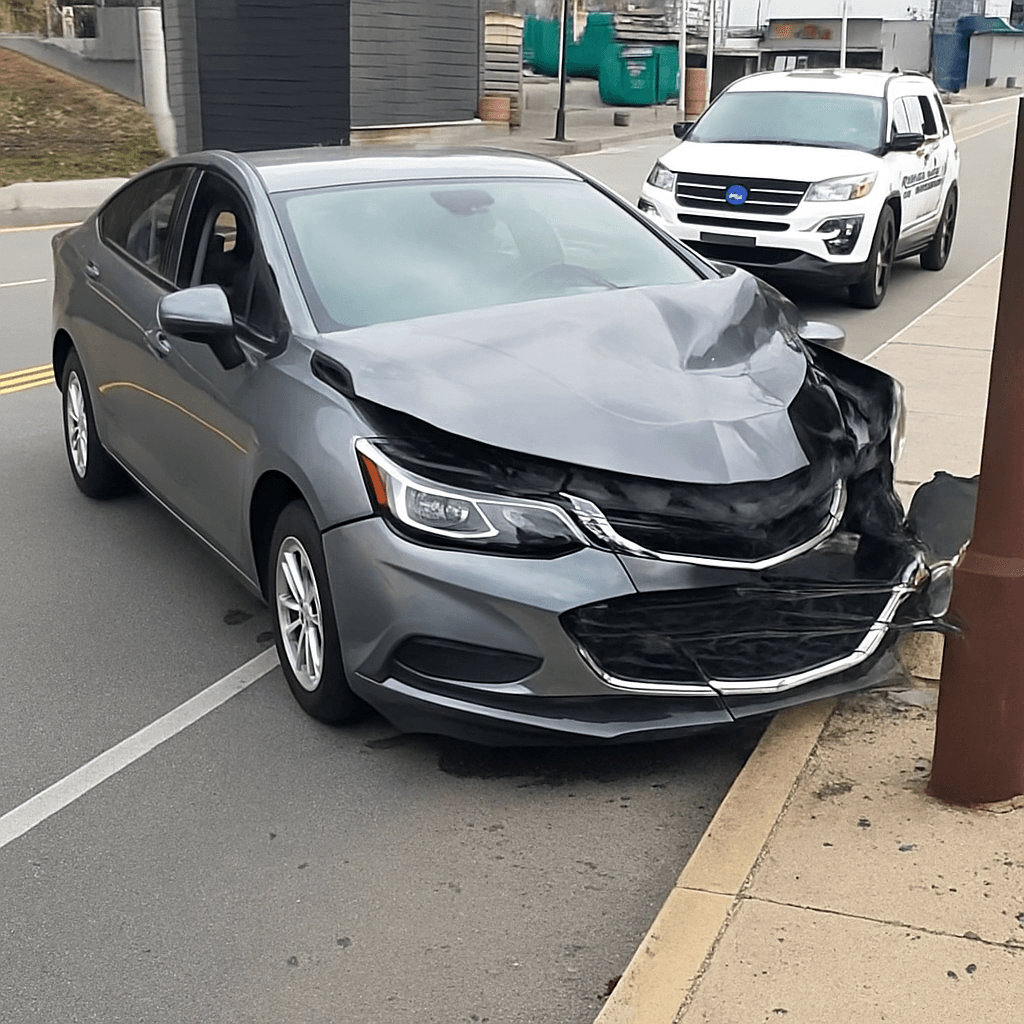
Full coverage is industry shorthand for a package that adds collision and comprehensive to liability. Collision pays to repair your vehicle after an accident with another car or object. Comprehensive pays for damage from theft, vandalism, weather, or animal strikes. Neither is required by Nevada law.
The term itself is misleading. Full coverage does not cover every possible loss — it omits gap coverage, rental reimbursement, roadside assistance, and several other optional products. The phrase exists because bundling collision and comprehensive with liability is common practice, not because the state mandates it.
Carriers writing SR-22 policies frequently quote full coverage packages by default. This happens because drivers with suspended licenses or DUI convictions statistically file more collision claims, and the carrier wants to write profitable business. The carrier benefits from selling you more coverage. You are not obligated to accept it.
You can satisfy Nevada's SR-22 requirement with liability-only coverage. The state does not require collision or comprehensive for reinstatement.
When Liability-Only Makes Sense

If your vehicle is worth less than $5,000, collision and comprehensive premiums often exceed the payout you would receive after the deductible. A vehicle valued at $3,000 with a $1,000 collision deductible leaves you with $2,000 maximum recovery. You paid collision premiums for months to protect $2,000 — the math rarely works. Drivers in this position save more by banking the premium difference and self-insuring the replacement risk.
If you drive a financed or leased vehicle, your lender requires collision and comprehensive as a condition of the loan or lease. The SR-22 filing does not change that contractual obligation. You cannot drop collision and comprehensive while a lienholder clause appears on your policy. Once the loan is paid off, the lender requirement disappears and you can reduce coverage to liability-only if the vehicle's value no longer justifies full coverage premiums.
Related Articles




How SR-22 Pricing Works With Coverage Type
The SR-22 filing itself costs a small one-time fee — typically $15 to $50 depending on the carrier and state regulations. This fee covers the administrative work of submitting the certificate to Nevada DMV electronically. The filing fee is separate from your premium.
Your premium is driven by the coverage types you select, your driving record, and the carrier's underwriting tier. A liability-only SR-22 policy costs significantly less than a full coverage SR-22 policy because the carrier assumes less repair risk. Estimates vary, but liability-only premiums for SR-22 filers in Nevada typically run lower than bundled full coverage packages by several hundred dollars annually.
Carriers price SR-22 risk differently. Some assign all SR-22 filers to a non-standard tier regardless of coverage selections. Others tier by violation type — DUI filers pay more than insurance-lapse filers, who pay more than points-accumulation cases. A few carriers write SR-22 business in their standard tier if the underlying violation is minor. Comparing quotes across multiple carriers writing SR-22 policies in Nevada surfaces material price differences for the same coverage package.
Nevada SR-22 Filing Period
3 years
Nevada requires continuous SR-22 filing for 3 years after a license suspension related to DUI, reckless driving, or uninsured driving. The period begins when you reinstate your license, not when the violation occurred. A lapse in coverage during this period triggers automatic suspension.
NRS 483.490
Avoiding Coverage Lapses During the Filing Period
Nevada DMV monitors SR-22 filings electronically through the Nevada Insurance Verification System. When your carrier cancels your policy for non-payment or you request cancellation before securing replacement coverage, the carrier notifies the DMV within days. The DMV initiates suspension proceedings automatically. You receive notice of the pending suspension, but the clock moves quickly.
If you decide to drop collision and comprehensive coverage after reinstatement, contact your carrier and confirm they will maintain the SR-22 filing on the liability-only policy. Some carriers handle this as a simple coverage reduction. Others require you to cancel the full coverage policy and rewrite a new liability-only policy with a new SR-22 filing. The second path creates a gap if not coordinated carefully. Secure written confirmation from the carrier that the SR-22 filing will remain active and continuous before canceling any coverage.
Compare Carriers Writing SR-22 Policies in Nevada
Carriers writing SR-22 business in Nevada include Geico, Progressive, State Farm, Bristol West, Dairyland, The General, National General, Infinity, and Kemper. Not all carriers offer the same coverage options or tier SR-22 filers the same way. Some write liability-only SR-22 policies without resistance; others push full coverage packages aggressively.
Request quotes for liability-only coverage at Nevada's minimum limits and at one step above minimums — $50,000/$100,000/$25,000 — to see how each carrier prices the incremental protection. Compare the liability-only premium against a full coverage package with $500 and $1,000 collision deductibles. The spread between liability-only and full coverage varies significantly across carriers. Use these comparisons to decide whether the additional premium justifies the collision and comprehensive protection given your vehicle's current value.