The Accident Filing Trap Nevada Doesn't Warn You About
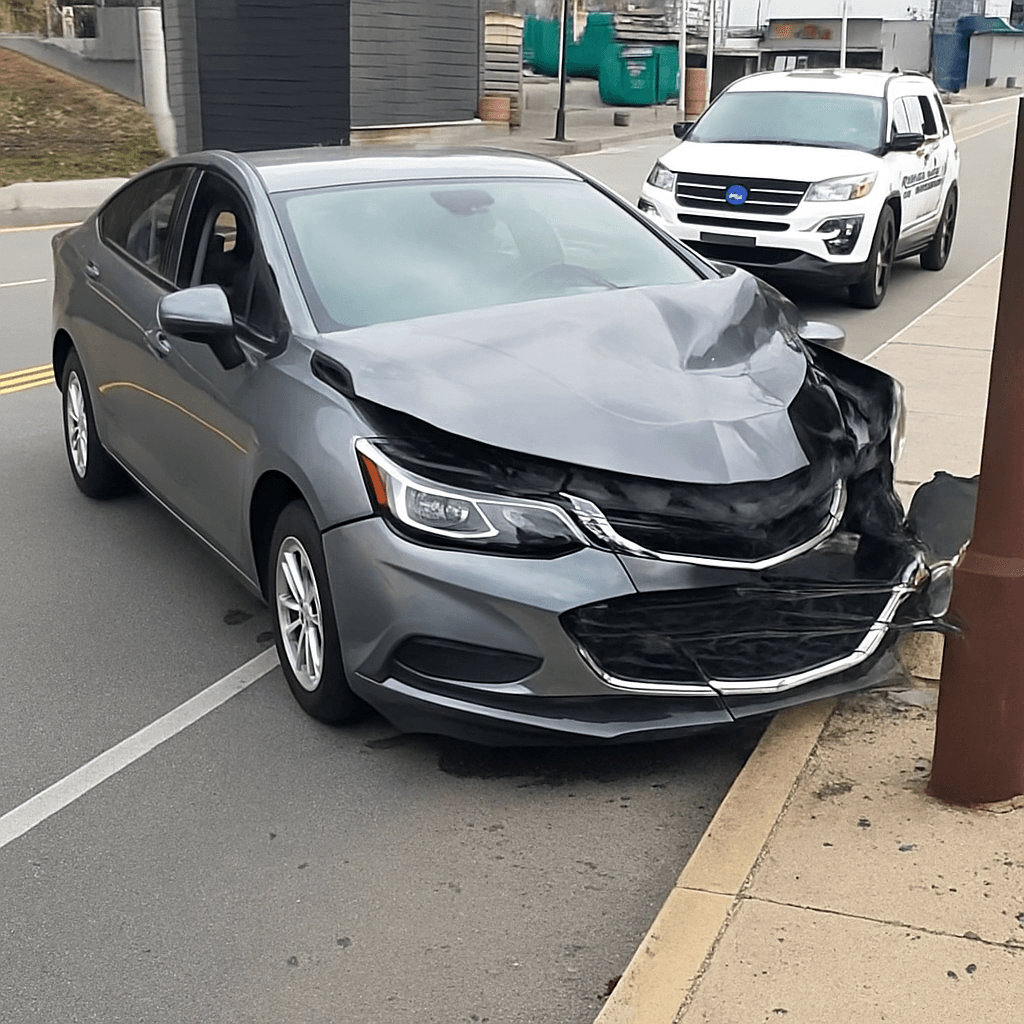
You were in an accident in Nevada. No DUI. No reckless driving. Maybe you were at fault, maybe the other driver was uninsured, or maybe your own coverage lapsed right before impact. Weeks later, a letter arrives from Nevada DMV: your driving privilege is suspended, and reinstatement requires SR-22 insurance for three years. You assumed your insurance company handled everything after the accident. Nevada's system doesn't work that way.
Nevada separates accident reporting into two parallel tracks. Your insurer reports the claim to their system. Nevada DMV runs a separate verification check against your license, the accident report filed by law enforcement, and the state's electronic insurance verification system. When those checks flag you as uninsured at the time of the accident, at-fault with injury or significant property damage, or as a driver who failed to satisfy a judgment from the accident, the DMV initiates an administrative suspension independent of any court proceeding. That suspension carries an SR-22 filing requirement before reinstatement.
Compare car insurance rates in your state
Get quotes from licensed carriers — no obligation, no spam, results in minutes.
Get Your Free QuoteNevada Accident Reinstatement Fee
$75
This fee applies specifically to license suspensions triggered by accident-related violations under NRS 485, covering uninsured-at-accident and failure-to-satisfy-judgment cases. It is separate from the $35 base reinstatement fee that applies to other suspension types.
Nevada DMV reinstatement fee schedule
What Actually Triggers SR-22 After a Nevada Accident
Three accident scenarios trigger Nevada's SR-22 requirement. First: you were driving without insurance when the accident occurred, regardless of fault. Nevada's electronic insurance verification system flags the lapse retroactively when the accident report hits DMV records. Second: you were at fault in an accident causing injury or property damage exceeding $750, and you either lacked insurance or your policy limits were insufficient to cover the damages. Third: a civil judgment was entered against you for damages from the accident, and you have not satisfied that judgment within the timeframe Nevada statute allows.
The structural confusion comes from timing. Many drivers assume that because their insurer paid a claim or because no one was seriously hurt, the matter is closed. Nevada DMV does not care whether your insurer eventually covered the accident. The question is whether valid coverage existed at the moment of the accident. If coverage lapsed even one day before the accident, or if you were driving uninsured temporarily between policies, Nevada treats that as an uninsured-driver accident and suspends your license administratively. The suspension notice arrives 30 to 60 days after the accident, long after you thought everything was resolved.
SR-22 is not additional insurance. It is a certificate your insurer files electronically with Nevada DMV certifying that you carry at least Nevada's minimum liability limits: $25,000 per person for bodily injury, $50,000 per accident for bodily injury, and $20,000 for property damage. The certificate remains active as long as your policy stays in force. If your policy lapses or cancels, the insurer notifies DMV immediately and your license suspends again.
Nevada counts the three-year SR-22 period from your reinstatement date, not the accident date — delays in getting coverage restart the clock, and any lapse during those three years resets the entire filing period.
How to Get SR-22 Coverage After Your Nevada Accident
Step one: obtain an SR-22 insurance policy from a carrier licensed to write SR-22 in Nevada. Not all carriers write SR-22. Standard carriers like State Farm and GEICO write SR-22 for drivers with clean prior records whose only violation was the uninsured-at-accident flag. Non-standard carriers like Bristol West, Dairyland, The General, and Progressive write SR-22 for drivers with at-fault accidents, prior violations, or lapses. The carrier files the SR-22 certificate electronically with Nevada DMV within one to three business days of policy inception. You do not file it yourself. Request the SR-22 filing explicitly when you quote — some carriers require you to ask for it, and forgetting this step means the policy binds without the filing, leaving your license suspended.
Step two: pay the $75 reinstatement fee to Nevada DMV. You cannot reinstate online for accident-related suspensions. Reinstatement requires an in-person DMV appointment or a mailed reinstatement packet. Bring proof that your SR-22 was filed — either a confirmation email from your insurer showing the filing was transmitted to Nevada DMV, or your policy declarations page showing SR-22 coverage. The DMV processes the reinstatement within one business day if all documentation is in order. If the SR-22 filing has not yet appeared in the DMV system when you arrive for your appointment, reinstatement is denied and you must reschedule. Call the DMV's suspension unit before your appointment to confirm the SR-22 is on file. Carriers sometimes delay filing despite promising same-day transmission.
Related Articles


Non-Owner SR-22 When You No Longer Have a Vehicle
Many drivers whose license was suspended after an accident no longer own the vehicle involved. The car was totaled, repossessed, sold to cover damages, or registered in someone else's name. Nevada still requires SR-22 to reinstate your license even when you do not currently own a car. The solution is a non-owner SR-22 policy. Non-owner policies provide liability coverage when you drive a vehicle you do not own — a rental, a borrowed car, a company vehicle. The policy costs significantly less than standard auto insurance because it does not cover a specific vehicle. Non-owner SR-22 premiums in Nevada typically run $30 to $60 per month depending on your violation history and the carrier.
Non-owner SR-22 satisfies Nevada's reinstatement requirement exactly the same way vehicle-specific SR-22 does. The insurer files the same SR-22 certificate with Nevada DMV. The difference is the policy's scope: non-owner covers you as a driver, not a vehicle. If you later purchase a vehicle, you will need to switch from non-owner to a standard policy and request that the new insurer file SR-22. Switching carriers or policy types during your three-year SR-22 period is allowed, but any gap in coverage — even one day — triggers an immediate license suspension and resets your three-year filing clock to zero.
Carriers writing non-owner SR-22 in Nevada include GEICO, Progressive, Dairyland, The General, and USAA. Not all carriers advertise non-owner policies on their websites. Call and ask explicitly. Some carriers require you to have a valid license before they will issue a non-owner policy, creating a structural catch: you need the policy to reinstate your license, but the carrier will not write the policy until your license is valid. The workaround is to find a carrier that writes non-owner SR-22 for suspended drivers. Dairyland, Bristol West, and The General typically allow this. Progressive and GEICO policies vary by underwriting region.
Nevada SR-22 Filing Period
3 years
Nevada requires continuous SR-22 filing for three years from the date you reinstate your license after an accident-related suspension. The period does not start until reinstatement is complete — delays in obtaining coverage or paying the reinstatement fee extend the calendar window. Any lapse in coverage during the three years resets the clock.
NRS 485.187
What Happens If Your SR-22 Lapses During the Filing Period
Your insurer is required by Nevada law to notify DMV immediately when your SR-22 policy lapses, cancels for non-payment, or is not renewed. Nevada DMV suspends your license the same day it receives the lapse notification. No grace period. No warning letter. The suspension is automatic. If you are caught driving on a suspended license after an SR-22 lapse, Nevada treats it as a misdemeanor with a minimum $500 fine, possible jail time, and extension of your SR-22 filing requirement.
To lift the suspension after a lapse, you must obtain new SR-22 coverage from a carrier, have them file a new certificate with Nevada DMV, and pay the reinstatement fee again — another $75. Worse: the three-year SR-22 clock resets. If your policy lapsed two years into the original three-year period, you do not have one year left. You now have three years left, starting from the date of your second reinstatement. One lapse can extend your total SR-22 obligation from three years to five or six calendar years depending on when the lapse occurred.
Compare SR-22 Carriers and Get Your License Back
Carriers price SR-22 differently based on your accident details, prior violation history, and the county where you live. A driver in Clark County with a single at-fault accident and no other violations will see lower premiums from standard carriers. A driver in Washoe County with an at-fault accident plus a prior speeding ticket will price better with non-standard carriers. The only way to know which carrier offers the lowest rate for your specific situation is to compare quotes from multiple SR-22 writers.
Start by requesting quotes from at least three carriers writing SR-22 in Nevada. Specify that you need SR-22 filing when you quote — some carriers will not automatically include it unless you ask. Verify that the quote includes the SR-22 filing fee, which typically ranges from $15 to $50 depending on the carrier. Confirm the carrier will file electronically with Nevada DMV within one to three business days of binding the policy. Get this confirmation in writing or via email before you pay. Once the policy binds and the SR-22 is filed, schedule your DMV reinstatement appointment. Bring proof of SR-22 filing, payment for the $75 reinstatement fee, and any other documentation the DMV suspension notice specified. Your license reinstates the same day if all paperwork is in order.