
Two Suspension Systems, Two Reinstatement Paths
You received a suspension notice and assumed one reinstatement process applies to everyone. Nevada operates two parallel suspension systems: DMV administrative suspensions (insurance lapses, implied consent refusals, point accumulation) and judicial suspensions (court-ordered after DUI conviction, reckless driving, or other criminal violations). The authority that suspended your license determines your reinstatement path, required documentation, and whether you need SR-22 filing.
Administrative suspensions go through Nevada DMV's electronic insurance verification system and can sometimes be resolved online through the DMV eServices portal at dmvnv.com. Judicial suspensions require in-person DMV appointments, completion of court-ordered programs, and cannot be processed through the online portal. Most drivers don't realize these are separate tracks until their online reinstatement attempt fails or their in-person DMV visit reveals missing court documentation.
Compare car insurance rates in your state
Get quotes from licensed carriers — no obligation, no spam, results in minutes.
Get Your Free QuoteNevada Reinstatement Fee Range
$35–$75
Base DMV reinstatement fee is $35 for standard suspensions. Insurance lapse and uninsured driving suspensions carry a $75 fee under NRS 485. DUI-related suspensions may stack additional fees for DUI school completion verification and ignition interlock compliance.
Nevada DMV fee schedule, NRS 485.187
What Nevada DMV Actually Suspended
Nevada DMV imposes administrative suspensions under its own authority for insurance lapses, BAC refusals (administrative per se under NRS 484C.220), and point accumulation. These suspensions happen independently of criminal court proceedings. The DMV's Nevada Insurance Verification System monitors all registered vehicles and triggers automatic suspension notices when insurers report policy cancellations or lapses.
Court-ordered suspensions follow DUI convictions, reckless driving convictions, or other criminal traffic violations. The court orders the suspension; DMV executes it. Reinstatement requires proof you completed all court-ordered conditions: DUI education classes, community service, substance abuse treatment, ignition interlock installation periods. The DMV cannot reinstate until the court confirms completion.
The structural confusion: many DUI cases produce both an administrative suspension (triggered by the BAC test or refusal at arrest) and a judicial suspension (ordered by the court at sentencing). These run on separate timelines. Drivers often reinstate the administrative suspension, then discover the judicial suspension still blocks them. Check your suspension notice carefully for the issuing authority — DMV Administrative License Revocation hearing or district court order.
Nevada DMV cannot reinstate a court-ordered suspension until the court files completion documentation. Paying the reinstatement fee before the court clears you wastes the fee.
Administrative Suspension Reinstatement Steps

Insurance lapse suspensions require proof your insurer filed SR-22 electronically with Nevada DMV through the Nevada Insurance Verification System. The insurer transmits the filing directly; you do not mail forms. Contact a carrier authorized to write SR-22 in Nevada (see carriers list in injected data), purchase a liability policy meeting Nevada's $25,000/$50,000/$20,000 minimums, and request SR-22 filing. The carrier files within 24–48 hours. Once DMV receives the SR-22, log into dmvnv.com eServices, pay the $75 reinstatement fee, and verify the suspension is cleared. Total timeline: 2–5 business days from policy purchase to reinstatement if no other holds exist.
Point accumulation and administrative per se (BAC refusal) suspensions require completing any ordered evaluations or classes, then paying the $35 base reinstatement fee. Administrative per se suspensions from DUI arrests create a 90-day or 1-year revocation depending on prior offenses. After the hard suspension period (no driving allowed), you may apply for a restricted license with ignition interlock device installation. Full reinstatement requires completing the entire suspension period, verifying ignition interlock compliance if applicable, and filing SR-22 for three years from reinstatement.
Related Articles




Court-Ordered Suspension Reinstatement Requirements
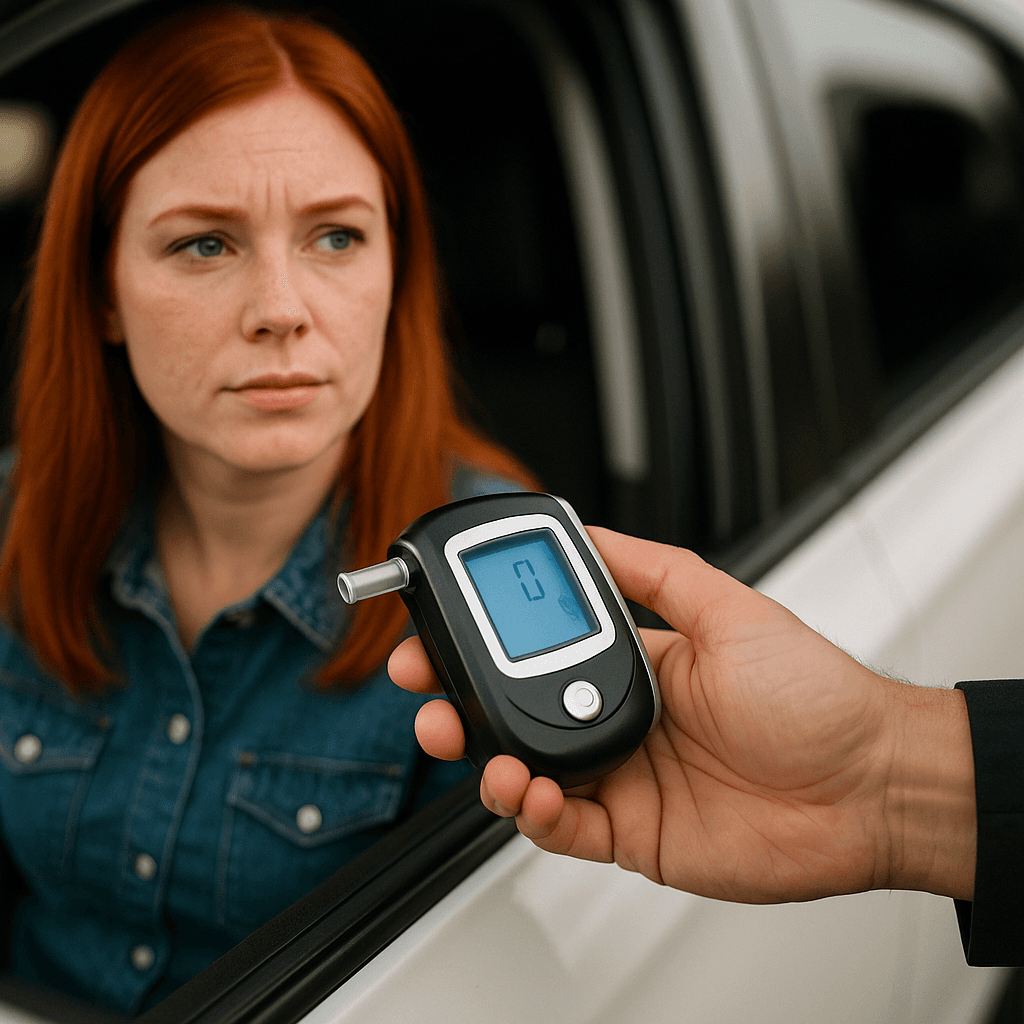
DUI convictions trigger mandatory in-person reinstatement. Nevada law (NRS 483.490) imposes a 45-day hard suspension for first DUI offenses before restricted license eligibility. Second and subsequent offenses carry longer hard periods. After the hard suspension, you may apply for a restricted license conditioned on ignition interlock device installation under NRS 484C.460. The IID period runs concurrently with the suspension: install the device, drive only the IID-equipped vehicle, and submit monthly compliance reports to the DMV-approved vendor.
Reinstatement after the full suspension period requires: proof of DUI school completion (8-hour, 12-hour, or treatment program depending on offense severity), victim impact panel attendance certificate, ignition interlock removal authorization from DMV (issued only after full compliance period), SR-22 certificate on file with DMV for three years from reinstatement date, and payment of all reinstatement fees and court fines. Missing any component delays reinstatement indefinitely.
Reckless driving and other criminal traffic convictions follow similar paths: complete court-ordered classes or community service, obtain court completion documentation, file SR-22 if required by the court order, and pay reinstatement fees. The court must file a completion notice with DMV. If the court has not filed electronically, bring the stamped court order to your DMV appointment. DMV staff cannot verify completion without documentation from the issuing court.
Out-of-state license holders suspended for Nevada violations face additional complexity. Nevada DMV suspends your privilege to drive in Nevada but cannot directly suspend an out-of-state license. Nevada reports the suspension to your home state through the Driver License Compact, and your home state typically mirrors the suspension. Reinstatement requires satisfying both Nevada DMV (to restore Nevada driving privileges) and your home state DMV (to restore your actual license). Coordinate with both agencies; paying Nevada's fees does not automatically clear your home state's hold.
Nevada SR-22 Filing Period
3 years
License suspension triggers typically require maintaining SR-22 filing for three years from reinstatement date. The filing period does not start until your license is reinstated — time spent suspended does not count. Allowing the SR-22 to lapse during the three-year period triggers automatic re-suspension under NRS 485.
NRS 485, Nevada DMV SR-22 requirements
Restricted License Option During Suspension
Nevada offers a restricted license after the hard suspension period for eligible drivers. Restricted licenses limit driving to approved purposes: work, school, medical appointments, or court-ordered programs. DUI-related restricted licenses require ignition interlock device installation in any vehicle you operate. Points-based suspensions may qualify for restricted licenses without IID depending on the violation type.
Application goes through Nevada DMV. You must provide proof of insurance (SR-22 typically required for DUI cases), proof of employment or school enrollment, completed restricted license application form, and any court documentation if your suspension is court-ordered. Restricted license fees and application processing occur at DMV offices; this is not available online. Violating restricted license terms — driving outside approved hours, driving for unapproved purposes, or operating a vehicle without an installed IID when required — triggers immediate revocation and restarts your suspension period from zero.
Get Coverage That Satisfies Nevada DMV
Nevada DMV requires SR-22 filing for most suspension reinstatements involving DUI, uninsured driving, or insurance lapses. SR-22 is not a separate insurance policy — it is a certificate your insurer files electronically with DMV proving you carry at least Nevada's minimum liability coverage. Not all carriers write SR-22 policies. Carriers confirmed to file SR-22 in Nevada include Bristol West, Dairyland, Geico, Infinity, Kemper, National General, Progressive, State Farm, The General, and USAA. Compare quotes from multiple carriers; SR-22 filing adds a small one-time fee (amount set by carrier), but the larger cost factor is the non-standard tier most suspended drivers are assigned.
If you do not own a vehicle, request non-owner SR-22 insurance. This covers you when driving borrowed or rental vehicles and satisfies Nevada's SR-22 filing requirement without insuring a specific car. Non-owner policies cost less than standard policies because they exclude collision and comprehensive coverage. Geico, Progressive, The General, Dairyland, and USAA write non-owner SR-22 in Nevada. Purchase the policy, confirm the carrier files SR-22 electronically with Nevada DMV, then proceed with reinstatement once DMV shows the filing on record. Maintain the policy without lapse for the full three-year filing period — any gap triggers re-suspension and restarts the clock.