
When Reinstatement Requires SR-22 but You Don't Own a Car
Nevada DMV suspended your license — DUI conviction, insurance lapse caught by the Nevada Insurance Verification System, or accumulated violations — and you received the reinstatement letter stating SR-22 filing is required. You don't own a vehicle. You sold it, never had one, or can't afford to keep one during suspension. You borrow cars from family, friends, or use rental vehicles occasionally. The DMV doesn't care about your ownership status; they require proof of financial responsibility before they'll restore your driving privileges.
Non-owner SR-22 policies exist for this exact situation. They satisfy Nevada's SR-22 filing mandate without requiring you to own, register, or insure a specific vehicle. The policy covers you — the driver — across any vehicle you operate with permission. This article clarifies what non-owner SR-22 actually covers when you're driving borrowed cars, how Nevada liability minimums apply, where coverage gaps appear, and how to file correctly so reinstatement isn't delayed by a documentation error the DMV catches three weeks later.
Compare car insurance rates in your state
Get quotes from licensed carriers — no obligation, no spam, results in minutes.
Get Your Free QuoteNevada License Reinstatement Fee
$35
Nevada DMV charges $35 to reinstate a suspended license after all requirements — including SR-22 filing — are satisfied. This fee is separate from the carrier's SR-22 filing fee and the policy premium itself.
Nevada DMV reinstatement fee schedule
What Non-Owner SR-22 Actually Covers
Non-owner SR-22 is a liability-only policy with the SR-22 certificate attached. Nevada requires $25,000 bodily injury per person, $50,000 bodily injury per accident, and $20,000 property damage — written as 25/50/20. The policy covers liability you create while driving a vehicle you don't own. If you borrow your sister's Honda, cause a crash, and injure the other driver, your non-owner policy pays up to the 25/50/20 limits. The borrowed vehicle's owner policy pays first under Nevada's permissive-use rules, then your non-owner policy provides secondary coverage if the owner's limits are exhausted.
The policy does NOT cover damage to the borrowed vehicle itself. Collision and comprehensive coverages insure a specific vehicle; non-owner policies insure you, the driver, across any vehicle. If you wreck your sister's Honda, her collision coverage pays for her car — not your non-owner policy. If she has no collision coverage, the vehicle damage is uninsured. Your non-owner policy covers your liability to the other driver, not the borrowed car's physical damage.
Non-owner SR-22 also excludes vehicles you own, vehicles registered in your household, and vehicles you use regularly enough that they constitute assigned use. If you live with a parent who owns a car and you drive it daily, that vehicle should be listed on a standard policy — non-owner policies explicitly exclude regular-use situations because they create uninsured exposure the carrier won't accept.
The borrowed vehicle's insurance pays first; your non-owner policy is secondary. If the owner has no insurance or inadequate limits, you're liable for the gap.
How to File Non-Owner SR-22 with Nevada DMV
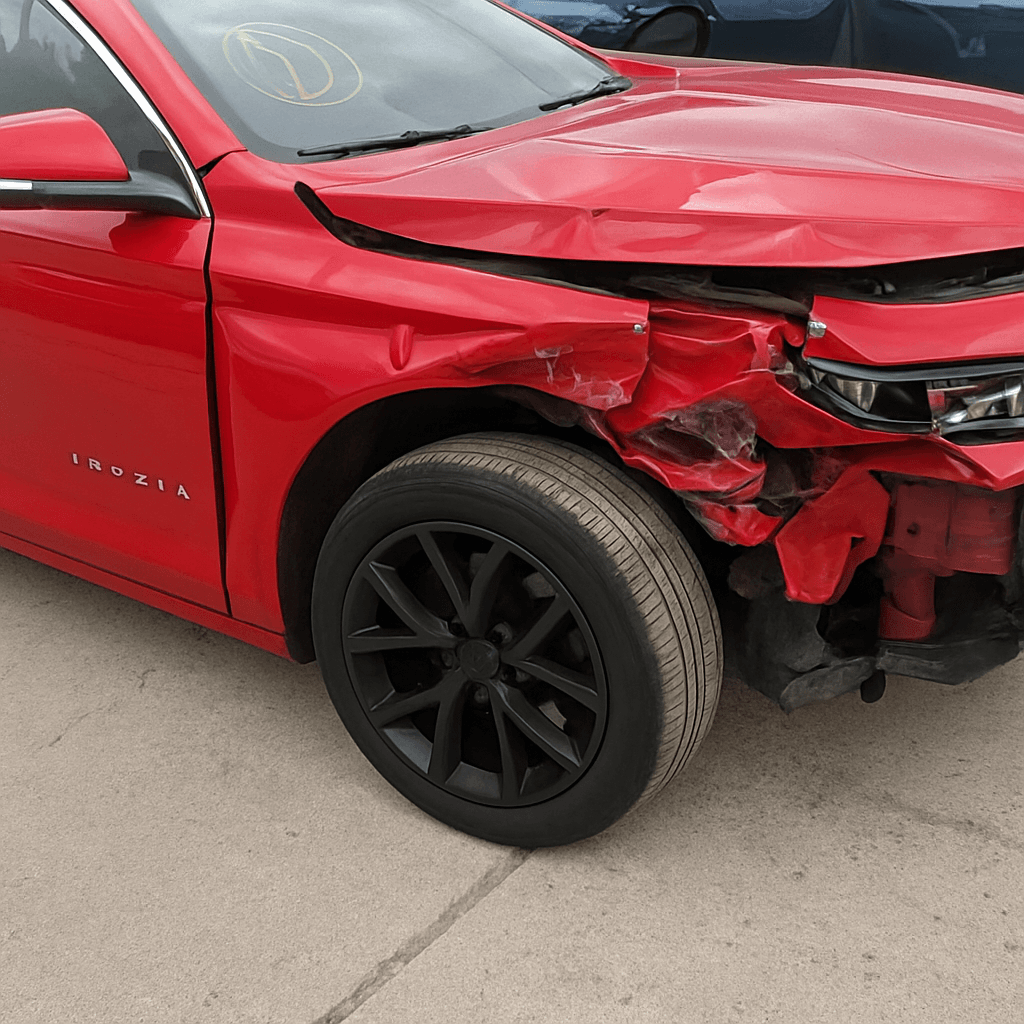
Contact carriers that write non-owner policies in Nevada. Not all standard carriers offer this product — non-standard specialists like Bristol West, Dairyland, The General, Progressive, and Geico consistently write non-owner SR-22. Request a quote specifying you need non-owner liability at Nevada minimums (25/50/20) with SR-22 filing. The carrier will ask for your license number, the suspension trigger, and the SR-22 requirement letter from Nevada DMV. Provide the DMV letter exactly as written — carriers file SR-22 to the state agency named on that letter, and discrepancies delay transmission.
Once you purchase the policy, the carrier files the SR-22 certificate electronically with Nevada DMV within 1-5 business days. Nevada's system updates when the certificate is received, not when you pay the premium. Call Nevada DMV 3-5 business days after purchase to confirm the SR-22 is on file before you attempt reinstatement. If the certificate hasn't transmitted, the reinstatement appointment will be rejected and you'll wait another week for the filing to clear. Verify first, then schedule reinstatement.
Related Articles




Coverage Gaps When You Borrow Cars
Non-owner policies create three common coverage gaps suspended drivers don't anticipate until a claim surfaces them. First, if the borrowed vehicle's owner has no insurance, your non-owner policy is primary — but it only covers your liability to the other driver. The borrowed car's damage is uninsured. Nevada law requires the vehicle owner to carry insurance, but enforcement is imperfect and you won't know the owner's coverage status until after a crash when the claim is filed.
Second, if you borrow a car from someone in your household — parent, spouse, adult child — and that vehicle is registered at your address, most non-owner policies exclude coverage. The carrier expects household vehicles to be listed on a standard policy with assigned drivers. If you live with the vehicle owner, ask the carrier explicitly whether the policy covers borrowing that specific vehicle. Many will say no, leaving you uninsured.
Third, rental vehicles are excluded under most non-owner policies unless you purchase the rental agency's liability waiver. Non-owner SR-22 satisfies Nevada DMV's reinstatement requirement, but it doesn't replace rental car liability coverage. The rental contract requires either the agency's liability product or proof your personal policy extends to rentals — most non-owner policies don't. If you rent frequently during suspension, budget for the agency's daily liability add-on or find a non-owner carrier that explicitly covers rental use.
Nevada SR-22 Filing Period for DUI
3 years
Nevada requires SR-22 filing for 3 years after a DUI conviction, measured from the conviction date. The policy must remain active without lapse for the entire period. A single day of lapse triggers automatic re-suspension and restarts the 3-year clock.
NRS 483.490
What Happens if the Policy Lapses
Nevada's electronic insurance verification system monitors SR-22 filings in real time. If your non-owner policy lapses — missed payment, voluntary cancellation, carrier non-renewal — the carrier transmits an SR-26 cancellation notice to Nevada DMV electronically within 24 hours. Nevada DMV suspends your license immediately upon receiving the SR-26. No grace period. No warning letter. The suspension is automatic.
Reinstatement after an SR-22 lapse requires purchasing a new non-owner policy, filing a new SR-22 certificate, paying the $35 reinstatement fee again, and in DUI cases the 3-year filing period restarts from the new filing date. If you lapse 2 years into a 3-year SR-22 requirement, you don't resume at year 2 — you restart at day 1 and owe 3 more years. Maintain continuous coverage by setting up autopay and confirming with the carrier that your payment method on file is current every 6 months.
Compare Carriers Writing Non-Owner SR-22 in Nevada
Non-owner SR-22 premiums vary significantly by carrier, suspension trigger, and how long you've been suspended. DUI-related SR-22 filings place you in the non-standard tier; insurance-lapse suspensions sometimes qualify for standard-tier pricing if your driving record is otherwise clean. Request quotes from at least three carriers that write non-owner policies in Nevada: Bristol West, Dairyland, The General, Progressive, and Geico all operate in the non-standard market and file SR-22 electronically. Provide your Nevada DMV suspension letter, your license number, and the exact SR-22 filing period stated in the reinstatement requirements — carriers price based on risk duration, and understating the filing period produces an inaccurate quote that won't bind.
Compare total cost over the required filing period, not just the monthly premium. A policy that costs $10 less per month but charges a $75 SR-22 filing fee instead of $25 is more expensive over 3 years. Confirm the carrier files electronically with Nevada DMV — some smaller regional carriers still file by mail, delaying reinstatement by 2-3 weeks. Ask whether the policy covers rental vehicles if you rent occasionally; most non-owner policies exclude rentals, but a few non-standard carriers include rental coverage as a standard feature. Get the exclusions in writing before you bind coverage.